
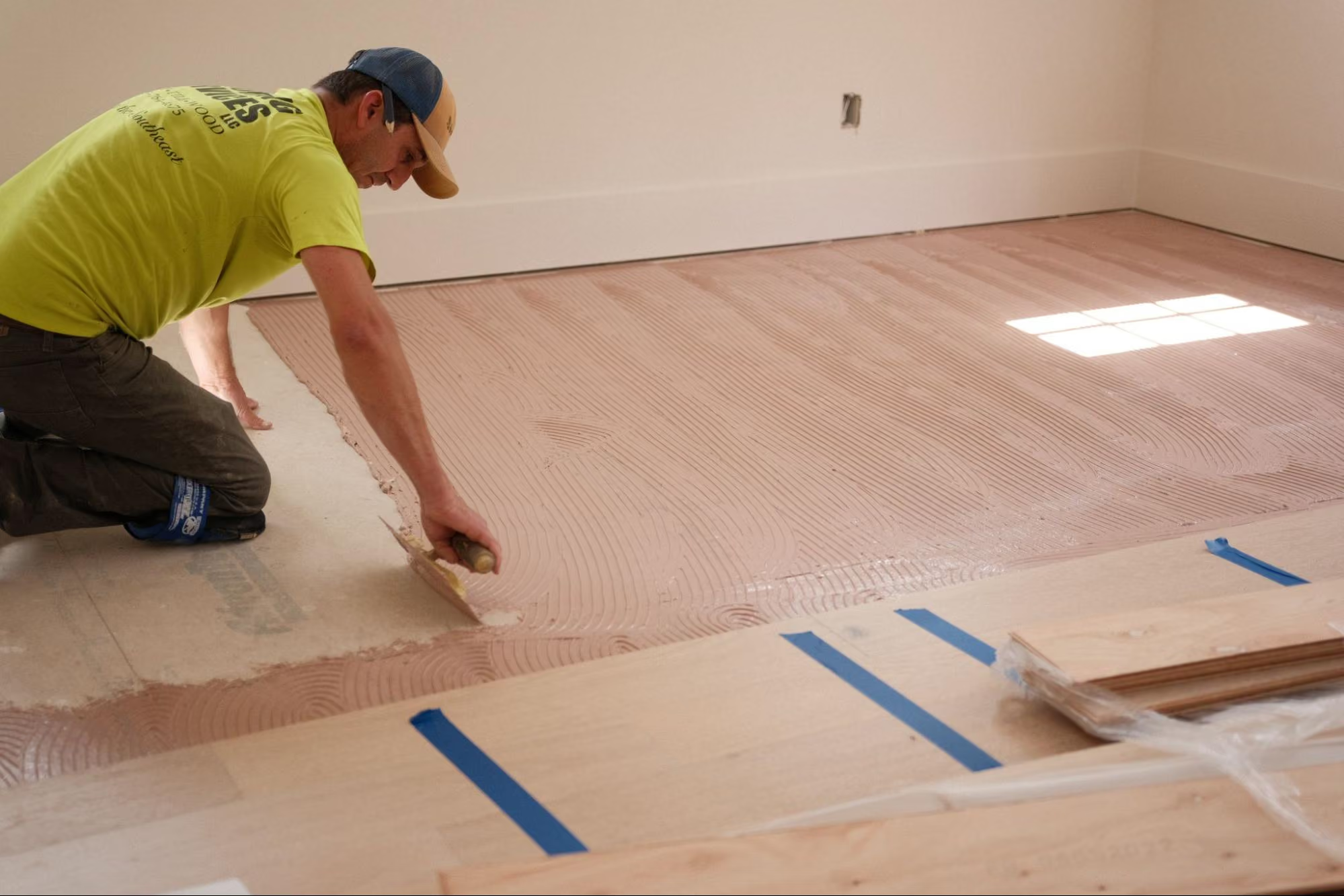
Whether you're building a new home, renovating a commercial space, or managing a major remodel, understanding where flooring installation falls in your construction timeline is crucial for keeping your project on schedule and on budget. Flooring isn't just another line item on your construction checklist; it's a carefully timed phase that depends on dozens of preceding steps and impacts everything that comes after it.
Missteps in flooring timing can lead to damaged materials, frustrated contractors, budget overruns, and delayed move-in dates. Let's break down exactly how flooring fits into the construction sequence and what you need to know to coordinate this critical phase successfully.
The Foundation: Pre-Flooring Construction Phases
Before a single piece of flooring can be installed, your construction project needs to complete several fundamental phases. Understanding these prerequisites helps you plan realistic timelines and avoid the common mistake of ordering flooring materials before the building is ready to receive them.
The structural work comes first: foundations, framing, roof installation, and exterior closing. Your building needs to be weathertight before flooring materials even arrive on site. Moisture is flooring's worst enemy, and exposing materials to the elements or installing them in spaces that aren't properly protected is a recipe for warping, mold, and failure.
Next comes the rough-in phase for mechanical, electrical, and plumbing systems. All your ductwork, pipes, wiring, and HVAC components need to be installed and inspected before the flooring goes down. Once flooring is in place, accessing these systems becomes exponentially more difficult and expensive. This is why you'll sometimes see contractors cut access panels in subfloors or plan removable flooring sections in areas where future maintenance access is likely.
Insulation and any radiant heating systems in floors must be completed during this phase as well. If you're installing in-floor heating, the system must be fully installed, tested, and operational before flooring materials are laid over it.
The Critical Middle Phase: Drywall and Climate Control
Here's where timing becomes especially important. Drywall installation and finishing is one of the messiest parts of construction, generating substantial dust that can damage flooring materials and complicate the process. This is why flooring almost never happens before drywall is complete.
But there's more to it than just avoiding dust. Drywall finishing introduces significant moisture into the building through joint compound and paint. This moisture needs time to dry and for the building's humidity levels to stabilize before flooring installation begins. Installing flooring in a space with elevated humidity can cause wood products to absorb moisture and expand, leading to buckling and gaps later when conditions normalize.
This is also when HVAC systems should be operational, maintaining stable temperatures and humidity levels. Most flooring manufacturers specify acceptable temperature and humidity ranges for installation, typically 60-80°F and 30-50% relative humidity. Your building needs to maintain these conditions for at least a week before flooring installation and continuously afterward.
Many construction managers make the mistake of rushing flooring installation to meet deadlines, only to discover that the building's environment isn't stable enough. Hardwood flooring is particularly sensitive to these conditions, but even luxury vinyl can require stable climate conditions during installation.
When Flooring Actually Happens
In most construction timelines, flooring installation occurs during the finishing phase, after drywall is complete and painted, after cabinets are installed, and after most of the messy work is done. However, the exact timing can vary based on the type of flooring and the specific project requirements.
There's an ongoing debate among contractors about whether to install flooring before or after cabinets. Both approaches have merit. Installing flooring first means you need more material and labor since you're covering the entire floor footprint, but it makes cabinet installation easier and allows for future flexibility if you ever want to reconfigure the kitchen. Installing cabinets first saves on flooring materials and time, but creates transitions that need to be managed carefully.
For most residential construction, the typical sequence in the finishing phase is: interior painting, cabinet and millwork installation, flooring installation, interior trim and baseboards, final touch-ups, and final cleaning. This sequence minimizes the risk of damaging newly installed flooring while still allowing trim carpenters to install baseboards that properly cover flooring edges.
Commercial projects often follow different sequences depending on the space's purpose. Retail spaces prioritize flooring earlier to allow for fixture installation, while office buildings coordinate flooring with furniture systems and partition walls.
Coordinating Multiple Flooring Types
Many projects use different flooring materials in different areas: tile in bathrooms, hardwood in living spaces, carpet in bedrooms, and luxury vinyl in utility areas. Coordinating these multiple installations requires careful planning and sequencing.
Tile typically gets installed first among flooring types because it's the messiest and most permanent. Tile installation involves water, thinset mortar, and grout, all of which can damage other flooring types. It also requires drying time before other work can proceed in adjacent areas.
Hardwood often comes next because it also requires more involved installation than carpet or vinyl. Hardwood needs acclimation time in the space before installation, usually at least three days, so plan for materials to arrive well before your scheduled installation date.
Carpet generally goes in last because it's the most vulnerable to damage from other trades. Installing carpet before other finishing work is complete almost guarantees you'll have stains, tears, or damage that require repair or replacement.
Transition strips between different flooring types need special attention. These small details can cause major headaches if floor heights don't align properly. Your flooring contractor should coordinate with other trades to ensure that subfloor heights and material thicknesses result in smooth, safe transitions between flooring types.
The Materials Timing Challenge
One of the trickiest aspects of flooring in the construction timeline is managing material delivery and storage. Order too early, and you're paying for storage and risking damage to materials sitting around a construction site. Order too late, and you're delaying the entire project while you wait for products to arrive.
Most flooring materials require lead time for ordering and delivery, anywhere from a few days for common carpet styles to several weeks for custom tile or specialty hardwood. Factor this lead time into your construction schedule, and always add a buffer for potential delays.
When materials arrive, they need proper storage conditions. Flooring products should be stored in a clean, dry, climate-controlled environment. They shouldn't be stacked directly on concrete slabs or exposed to temperature extremes. Many construction sites lack adequate storage space, which is why, when possible, timing deliveries close to the installation date is preferable.
Acclimation is another time factor often overlooked. Hardwood flooring needs to adjust to the building's temperature and humidity levels before installation. This typically takes 3-7 days and requires the flooring boxes to be opened and spread out in the space where they'll be installed. Your timeline needs to account for this acclimation period.
What Happens After Flooring
Once the flooring is installed, several finishing touches still need to be done, but they must be carefully managed to avoid damaging your new floors. Baseboards and trim get installed after flooring to cover expansion gaps and create clean edges. Trim carpenters need to be careful not to scratch or dent the flooring during this work.
Final painting touch-ups occur after flooring, so painters must use drop cloths religiously and clean up any spills immediately. Some project managers prefer to install baseboards before flooring to avoid this risk, but this approach requires precise measurements and often results in less professional-looking transitions.
Appliance installation typically follows flooring. Refrigerators, washers, dryers, and other heavy appliances need to be moved carefully to avoid scratching or denting new flooring. Using furniture pads, dolly boards, or appliance sliders protects your investment.
Final cleaning is the last step, but it needs to be done with products appropriate for your flooring type. Using the wrong cleaning solutions or methods on new flooring can damage finishes, void warranties, or create residue that attracts dirt.
Common Timeline Mistakes to Avoid
One of the biggest mistakes is underestimating how long flooring installation actually takes. A simple "one day to install flooring" notation on your timeline ignores acclimation time, subfloor prep, drying time for adhesives, and the fact that installers can't work effectively with other trades in the same space.
Another common error is failing to communicate between trades. Your flooring contractor needs to know when the space will be ready, the condition of the subfloor, whether climate control will be maintained, and any other work that might impact their installation. Regular coordination meetings prevent costly surprises.
Trying to compress the timeline by overlapping trades rarely works. Having painters, electricians, plumbers, and flooring installers all working in the same space simultaneously creates confusion, increases the risk of damage, and usually results in lower-quality work from everyone involved.
Planning for Success
Successful flooring integration into your construction timeline requires realistic scheduling, clear communication, and flexibility for unexpected issues. Build buffer time into your schedule for weather delays, material shortages, or subfloor problems discovered during installation prep.
Establish clear milestones that must be met before flooring installation begins: building weathertight, HVAC operational, humidity and temperature stable, all trades rough-in complete and inspected, drywall finished and painted, and appropriate acclimation time for materials.
Document everything. Walk through spaces before flooring installation to document subfloor conditions, take photos of completed work, and maintain records of material delivery dates and acclimation periods. This documentation protects everyone in the event of disputes and helps you refine timelines for future projects.
Let's Get Your Timeline Right
Flooring installation might seem like a straightforward step in your construction project, but as you can see, it requires careful coordination with multiple other phases. Getting the timing right protects your investment, keeps your project on schedule, and ensures beautiful, long-lasting results.
At Flooring Services LLC, we've coordinated flooring installations on countless construction projects, from custom homes to large commercial developments. We understand how flooring fits into your overall timeline and work closely with general contractors, project managers, and other trades to ensure seamless installation at the exact right time. Contact us today to discuss your upcoming project and how we can help you plan flooring installation that keeps your construction timeline on track.


