
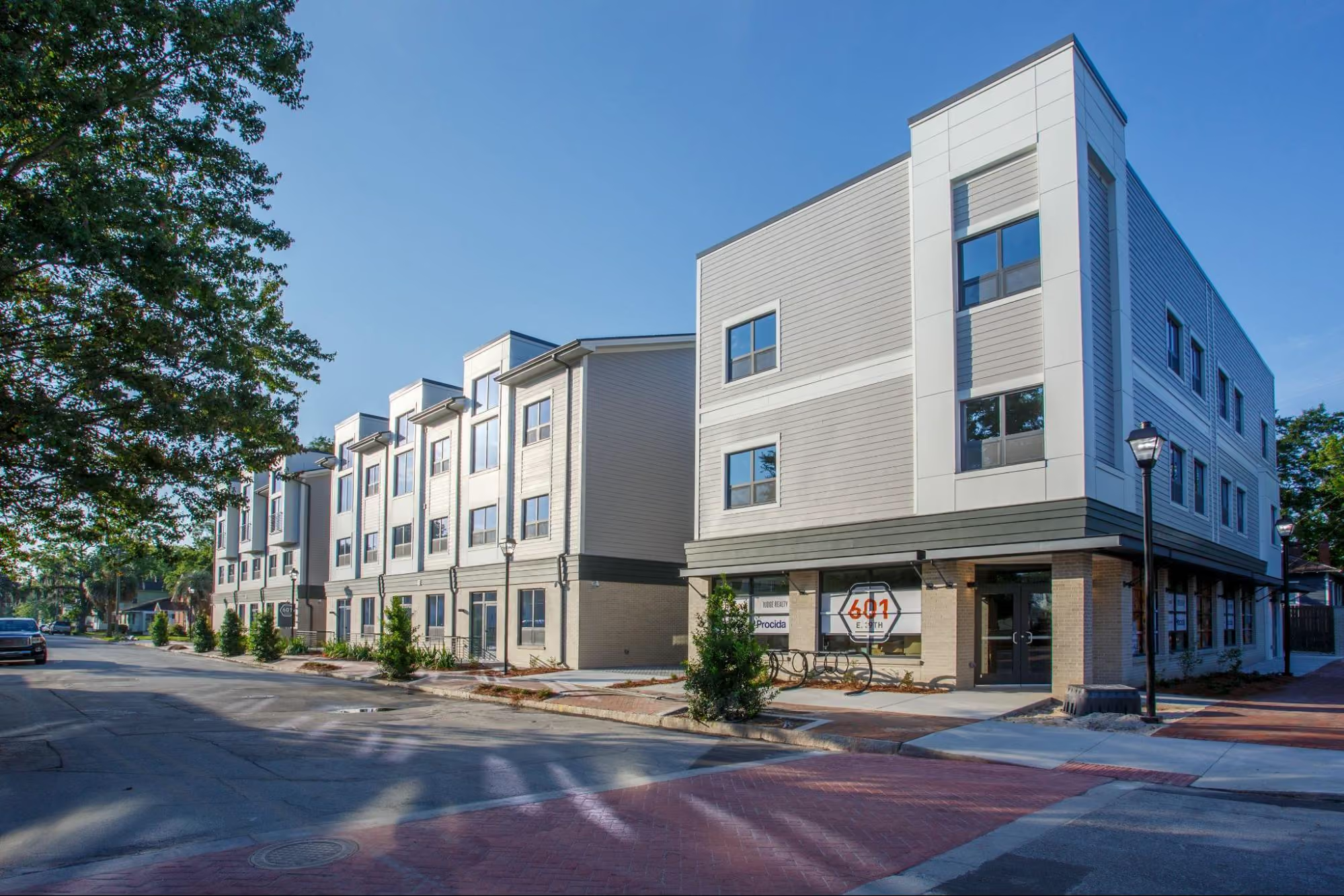
Spring is traditionally the busiest season for property managers. With leases turning over, maintenance backlogs clearing out, and the weather finally cooperating, it's the ideal time to tackle those flooring projects you've been putting off all winter. But before you jump into replacing floors across your properties, there are several critical factors that can mean the difference between a smooth renovation and a costly headache.
As a property manager, your flooring decisions impact everything from tenant satisfaction and lease renewal rates to maintenance costs and property values. Let's walk through what you need to know to make smart flooring choices this spring.
Understand Your Timing and Tenant Turnover
Spring flooring projects need to align perfectly with your lease cycles. The last thing you want is to schedule a flooring installation only to realize a tenant isn't moving out for another three weeks, or worse, that you've left a unit sitting empty longer than necessary.
Start by mapping out your expected vacancies for April through June. Properties with academic year leases will see turnover around May, while month-to-month tenants might give you more flexibility. Build in buffer time for unexpected delays, whether that's from delivery issues, subfloor problems you discover during demolition, or weather-related complications.
Remember that flooring installation isn't just about the day workers who are in the unit. You need time for furniture removal, demolition of old flooring, subfloor repairs, installation, curing or settling time, and final cleaning. For most projects, plan for 3-5 days from start to finish, though some materials, such as certain adhesives, may require longer cure times before tenants can move in.
Evaluate Your Property's Specific Needs
Not all flooring materials work equally well in every situation. A ground-floor unit with a history of moisture issues needs completely different flooring than a third-floor unit with excellent drainage and climate control.
Consider the demographics of your tenant base. Are you managing student housing where durability and easy cleaning matter more than aesthetics? Luxury apartments where high-end finishes justify the cost? Family housing where noise transmission between floors is a constant complaint? Your flooring choice should reflect these realities.
Pet-friendly properties present unique challenges. You'll want flooring that resists scratches, withstands accidents, and doesn't trap odors. Luxury vinyl plank (LVP) has become increasingly popular in rental properties specifically because it checks all these boxes while maintaining an attractive appearance.
High-traffic areas like entryways, kitchens, and hallways will show wear faster than bedrooms. Some property managers opt for different flooring in different rooms, using more durable materials in high-traffic areas and budget-friendly options in bedrooms.
Budget Beyond Just Materials
The sticker price on flooring materials is only part of your total cost. A full budget includes removal and disposal of old flooring, subfloor inspection and repairs, underlayment, transition strips, baseboards, labor, and contingency funds for unexpected issues.
Subfloor problems are the hidden budget killer in flooring projects. Once you pull up old carpet or vinyl, you might discover water damage, structural issues, or unlevel surfaces that need to be addressed. Set aside 15-20% of your flooring budget as a contingency for surprises.
Don't forget about the cost of vacancy. Every day a unit sits empty during renovation is lost rent. Sometimes it's worth paying more for faster installation or a contractor who can work weekends to minimize vacancy time. Run the numbers: if a unit rents for $1,500 per month, that's $50 per day in lost revenue. A contractor who charges $200 more but finishes three days faster actually saves you money.
Choose Materials That Balance Cost and Longevity
Property managers face constant pressure to minimize expenses, but choosing the cheapest flooring available often costs more in the long run when you're replacing it again in three years instead of ten.
Luxury vinyl plank has become the go-to choice for many property managers, and for good reason. It's water-resistant, durable, relatively affordable, and looks significantly better than the vinyl flooring of decades past. Quality LVP can last 10-15 years in a rental property with proper maintenance, making it an excellent value proposition.
Carpet remains common in rentals, particularly in bedrooms, but it comes with drawbacks. It stains, holds odors, and typically needs to be replaced every 5-7 years in rental properties. If you do choose carpet, opt for stain-resistant varieties with good warranties, and consider darker colors or patterns that hide wear better than light solids.
Hardwood looks beautiful and adds value, but it's expensive upfront and can be prone to damage in rental environments. Engineered hardwood offers a middle ground, providing the look of real wood with better moisture resistance and easier installation.
Tile works wonderfully in bathrooms, kitchens, and entryways. It's virtually indestructible and easy to clean, though it's cold underfoot and harder on dropped dishes. The grout requires periodic maintenance to prevent staining and mildew.
Verify Contractor Credentials and Get Multiple Quotes
Spring is peak season for contractors, which means the good ones book up fast. Start reaching out to flooring contractors in late winter to secure spots on their schedules.
Always get at least three quotes for any significant flooring project. This helps you understand the market rate and spot outliers that indicate either corner-cutting or price gouging. Make sure quotes are detailed, specifying the exact materials to be used, square footage, prep work included, timeline, and payment terms.
Verify that contractors have the required insurance and licenses. If someone gets injured on your property or damages something during installation, you want to make sure their insurance covers it, not yours. Ask for certificates of insurance and don't be shy about calling to verify they're current.
Check references specifically from other property managers or landlords. Contractors who do great work on single-family owner-occupied homes may not be prepared for the pace and volume of work that property managers need. You want someone who understands rental property timelines and won't disappear halfway through a multi-unit project.
Plan for Minimal Disruption
If you're replacing flooring in occupied buildings, communication is essential. Notify tenants well in advance about what to expect: noise levels, timing, access needs, and how long the work will take. Some tenants may want to be out of the building during particularly noisy demolition phases.
For multi-unit properties, consider staggering installations to avoid overwhelming tenants with construction noise throughout the entire building. Working on one or two units at a time keeps disruption manageable and allows you to catch contractor issues early, before they're replicated across 10 units.
Have a plan for furniture and belongings. Will tenants move their own items? Are you providing temporary storage? Will the contractor handle this? Clear expectations prevent disputes and project delays.
Document Everything
Before any work begins, photograph and document the condition of the existing flooring and the surrounding areas. This protects you if later disputes arise over whether damage was pre-existing or occurred during installation.
Keep detailed records of all your flooring projects: dates, contractors used, materials installed, costs, and any issues that arose. This information becomes invaluable for budgeting future projects, evaluating contractor performance, and tracking maintenance cycles across your portfolio.
After installation, walk through each unit with your contractor before signing off on the work. Check for gaps, uneven transitions, damaged baseboards, or any other issues. It's much easier to get these corrected before you've made the final payment than after the contractor has moved on to the next job.
Consider Environmental Factors and Indoor Air Quality
More tenants are concerned about indoor air quality and environmental impact. Low-VOC (volatile organic compound) flooring materials and adhesives improve indoor air quality and are better for both installers and future occupants.
Some flooring materials, particularly certain carpets and vinyl products, can off-gas chemicals for weeks after installation. Complete flooring installations a week or two before tenant move-in to allow for adequate ventilation and off-gassing.
Sustainable flooring options like bamboo, cork, or reclaimed materials may appeal to environmentally conscious tenants and can be marketing points for your properties, though they often come with higher upfront costs.
Make This Spring Count
Flooring replacement is one of those projects that can significantly impact your property's appeal, your operating costs, and your tenant satisfaction scores. Done right, new flooring attracts quality tenants, reduces maintenance calls, and protects your investment. Done poorly, it becomes an expensive lesson in why proper planning matters.
This spring, take the time to plan your flooring projects strategically. Consider your specific property needs, budget appropriately, choose quality materials that match your tenant demographics, and work with reputable contractors who understand the rental property business.
Ready to tackle your spring flooring projects? Flooring Services LLC specializes in helping property managers make smart flooring decisions that balance quality, durability, and budget. Our team understands the unique challenges of rental properties and works efficiently to minimize vacancy time. Schedule your consultation today, and let's discuss how we can help refresh your properties this spring.


